15 Winter Car Checks To Do Before The First Snow
15 simple checks to do before the first snow, starting with the battery, tire pressure, wipers and washer fluid.
All 15 at a glance
- Car battery strength in the cold — AAA says a battery loses about 35 percent of its strength at 32°F, and about 60 percent at 0°F.
- Tire pressure — AAA says pressure drops about 1 PSI for every 10-degree drop. Fill to the maker's recommended pressure.
- Heavy-duty winter wipers — NHTSA says to consider heavy-duty winter wipers if you live where there is a lot of snow and ice.
- Freeze-resistant washer fluid — AAA says to fill the washer reservoir with freeze-resistant fluid before temperatures drop.
- Mechanic check: battery, charging system, belts and hoses — NHTSA advises a mechanic check of the battery, charging system and belts. AAA says belts should be tight and hoses not leaky.
- Tire cracks and bulges — AAA says to look tires over for cracks or bulges and make sure tread depth is adequate.
- Winter (snow) tires — Government winter driving tips say if you plan to use snow tires, have them installed now.
- Front and rear defrosters — Government winter driving tips say to check that both the front and rear defrosters work properly.
- Coolant (antifreeze) level and mix — AAA says antifreeze should be a 50/50 mix with water to work properly in cold weather.
- Headlights, brake lights and turn signals — NHTSA's list covers headlights, brake lights, turn signals, emergency flashers and interior lights.
- Engine oil level — AAA says a low oil level, or dirty oil, can compromise your engine in extreme cold.
- High and low beams — AAA's checklist asks whether both the high beams and low beams work at full brightness.
- Weekly car washes in winter — AAA recommends weekly car washes during the winter.
- Gas tank kept close to full — NHTSA says to keep your gas tank close to full whenever possible.
- Winter emergency kit — AAA says to always keep an emergency kit equipped for winter weather handy.
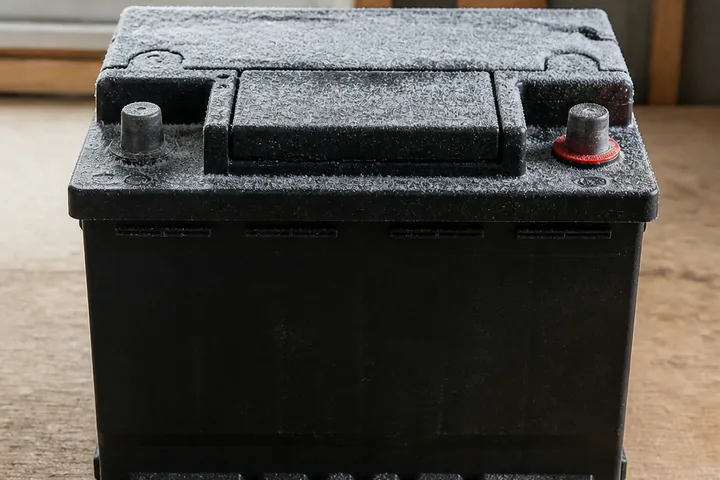
1. Car battery strength in the cold
Cold weather is hard on a car battery. AAA says a battery loses about 35 percent of its strength at 32°F. At 0°F, it loses about 60 percent.
AAA also says the battery must be fully charged and in good condition to start the engine in cold weather.
If your car has been slow to start, or the battery is getting older, don't wait for the first freeze to find out. Have it checked before winter (see check No. 5).
2. Tire pressure
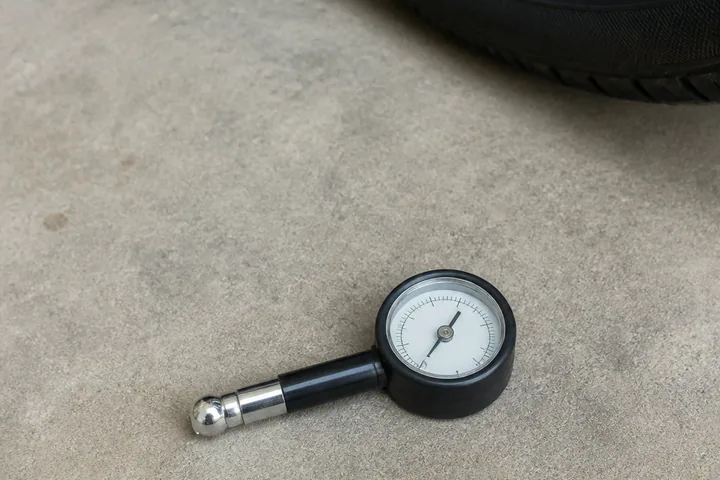
AAA says tire pressure drops about 1 PSI for every 10-degree Fahrenheit drop in temperature.
NHTSA says to fill each tire to the vehicle manufacturer's recommended inflation pressure. Check your owner's manual for the right number for your car.
Use a tire gauge, and check again as the weather keeps getting colder.
3. Heavy-duty winter wipers
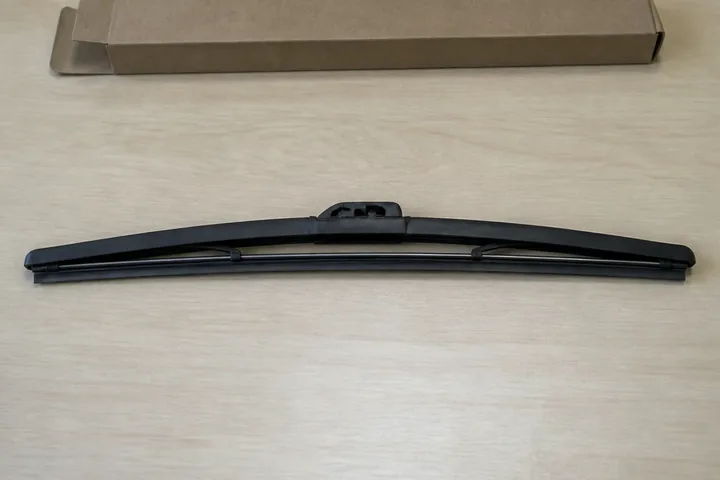
NHTSA says to consider installing heavy-duty winter wipers if you live in an area that gets a lot of snow and ice.
Even if you keep your regular blades, look at their condition. AAA says replacing worn wipers before winter can improve visibility in snow, sleet and freezing rain.
4. Freeze-resistant washer fluid
AAA says to check that the windshield washer reservoir is filled with freeze-resistant washer fluid before temperatures drop.
5. Mechanic check: battery, charging system, belts and hoses
NHTSA advises having a mechanic check your battery, charging system and belts, along with any other needed repairs or replacements.
AAA, as reported by 6abc, says to make sure all belts are tight and hoses are not leaky.
These are jobs for a shop, not the driveway. Ask for this check at your next service visit, before the cold sets in.
6. Tire cracks and bulges
AAA says to visually inspect your tires for cracks or bulges and make sure tread depth is adequate.
Walk around the car in good daylight and look at each tire's sidewall and tread. Don't forget the spare if your car has one.
If you see a crack, a bulge or tread that looks thin, have a tire shop look at it before you drive on snow.
7. Winter (snow) tires
Government winter driving tips say that if you plan to use snow tires, you should have them installed now.
8. Front and rear defrosters
Government winter driving tips say to check that your window defrosters, front and rear, work properly.
Test them on the next cool morning. If either one is weak or not working, have it fixed before you need it on an icy day.
9. Coolant (antifreeze) level and mix
AAA says to check the coolant level in the overflow tank as winter approaches, while the engine is cold and turned off.
The mix matters too. AAA says antifreeze should be at a 50/50 ratio with water to work properly in cold weather. NHTSA says to make sure you have enough coolant and that it meets the manufacturer's specifications.
Your owner's manual lists the right type. If the level is low or you're not sure about the mix, have a shop test it.
10. Headlights, brake lights and turn signals
Winter means shorter days and more driving in the dark. NHTSA says to check your headlights, brake lights, turn signals, emergency flashers and interior lights.
11. Engine oil level
AAA says a low oil level, or dirty oil, can compromise your engine in extreme cold.
If you're near your next oil change, getting it done before winter is a simple way to cover this. Your owner's manual gives the exact interval.
12. High and low beams
AAA's winter checklist adds a detail that's easy to miss: do both the high beams and low beams work and operate at full brightness?
13. Weekly car washes in winter
AAA recommends weekly car washes during the winter.
Put a regular wash on your calendar once the roads turn wintry, and keep it up until spring.
14. Gas tank kept close to full
NHTSA's winter advice is simple: keep your gas tank close to full whenever possible.
15. Winter emergency kit
AAA says you should always keep an emergency kit equipped for winter weather handy.
Check the kit each fall and replace anything that's been used up.
The bottom line
- Start with the battery, tire pressure, wipers and washer fluid.
- Leave belts, hoses, the charging system and any repairs to a mechanic.
- Keep up the winter habits: a fuller gas tank, weekly car washes and a winter kit in the car.
A few checks now, before the first snow, mean fewer surprises on a cold morning.
Sources
- AAA offers tips for driving in the extreme cold - 6abc Philadelphia — checked Nov 28, 2026
- How to Winterize Your Car: Battery, Tires, Antifreeze & Winter Driving Checklist — checked Nov 28, 2026
- NHTSA Winter Driving Tips — checked Nov 28, 2026
- AAA offers tips for driving in the extreme cold - 6abc Philadelphia — checked Nov 28, 2026
- How Temperature Changes Affect Your Tire Pressure | AAA Club Alliance — checked Nov 28, 2026
- NHTSA Winter Driving Tips — checked Nov 28, 2026
- AAA offers tips for driving in the extreme cold - 6abc Philadelphia — checked Nov 28, 2026
- Government Provides Tips for Safe Winter Driving — checked Nov 28, 2026
- NHTSA Winter Driving Tips — checked Nov 28, 2026
- How to Winterize Your Car: Battery, Tires, Antifreeze & Winter Driving Checklist — checked Nov 28, 2026
- How to Winterize Your Car: Battery, Tires, Antifreeze & Winter Driving Checklist — checked Nov 28, 2026
- Government Provides Tips for Safe Winter Driving — checked Nov 28, 2026
- How to Winterize Your Car: Battery, Tires, Antifreeze & Winter Driving Checklist — checked Nov 28, 2026
- 5 Ways to Prepare Your Vehicle for Winter Travels | AAA Club Alliance — checked Nov 28, 2026
- NHTSA Winter Driving Tips — checked Nov 28, 2026
- NHTSA Winter Driving Tips — checked Nov 28, 2026
- How to Winterize Your Car: Battery, Tires, Antifreeze & Winter Driving Checklist — checked Nov 28, 2026
- AAA offers tips for driving in the extreme cold - 6abc Philadelphia — checked Nov 28, 2026
- AAA offers tips for driving in the extreme cold - 6abc Philadelphia — checked Nov 28, 2026
- NHTSA Winter Driving Tips — checked Nov 28, 2026
- How to Winterize Your Car: Battery, Tires, Antifreeze & Winter Driving Checklist — checked Nov 28, 2026
Prices are at time of writing and change by store, region and date. Check the shelf tag before you buy.